What Skills Do You Learn in Massage Therapy School?
November 18, 2026
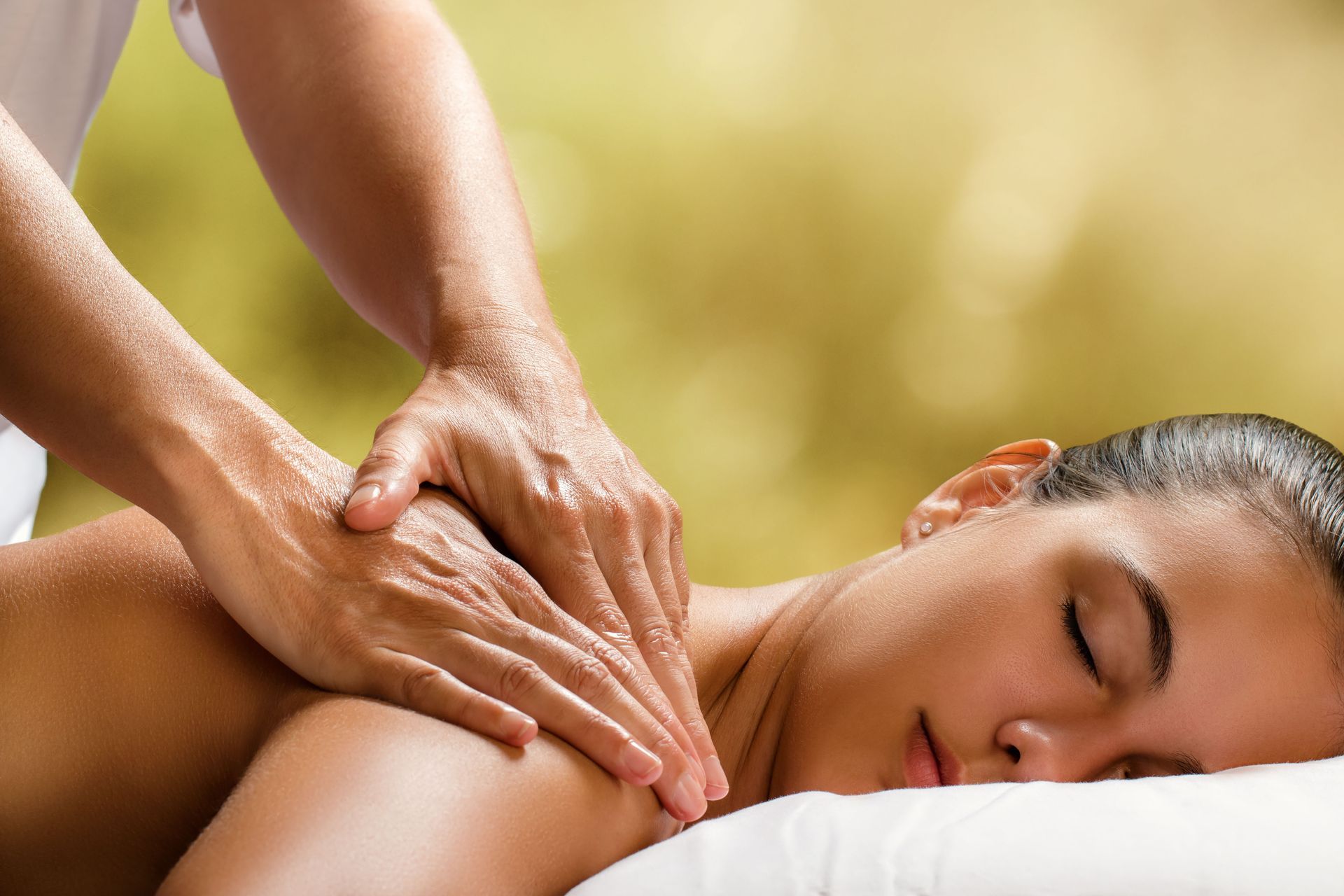
Massage therapy school provides students with the knowledge and practical experience needed to pursue a professional career in the health and wellness industry. Training covers much more than learning massage techniques. Students also develop an understanding of human anatomy, client communication, treatment planning, and professional ethics. These skills help graduates provide safe, effective, and personalized care.
Through classroom instruction and hands-on experience, students learn how the body responds to massage and how different techniques support relaxation, mobility, and general wellness. Massage therapy courses also prepare students to work in various professional environments, including spas, wellness centers, rehabilitation facilities, and private practices.
Understanding Human Anatomy
A strong understanding of human anatomy is essential for anyone pursuing massage therapy. Students learn about the musculoskeletal system, including muscles, bones, joints, and connective tissues that influence movement and posture. This knowledge helps future therapists recognize areas of tension and understand how different muscle groups interact.
Students also study the circulatory, nervous, and lymphatic systems. Understanding how these systems function helps therapists recognize how massage techniques may influence circulation and relaxation. Massage therapy courses also cover trigger points, which are sensitive areas within muscle tissue that can contribute to discomfort elsewhere in the body.
Through palpation and observation, students learn to identify differences in muscle tension and tissue texture. These assessment skills help therapists recognize areas that may benefit from additional attention and develop appropriate treatment approaches.
Developing Client Assessment Skills
Massage therapists must understand how to evaluate a client's physical condition before beginning treatment. Students learn to conduct initial assessments by asking about medical history, current discomfort, lifestyle factors, and personal wellness goals. These conversations help therapists determine which techniques may be appropriate and whether precautions are necessary.
Movement and posture analysis are also important parts of training. Students learn to recognize common postural patterns and movement limitations that may contribute to muscular tension. This knowledge helps them make informed treatment decisions and communicate relevant observations to clients.
Massage therapy courses emphasize the importance of combining physical assessments with effective communication. By understanding each client's concerns and preferences, therapists can develop treatments that address individual needs.
Learning Professional Massage Techniques
Massage therapy programs introduce students to several established techniques that serve different purposes. Swedish massage is often one of the foundational modalities taught because it emphasizes relaxation and general muscle relief. Students learn effleurage, petrissage, friction, vibration, and tapotement.
Each technique involves different movements and pressure levels. For example, effleurage uses long, flowing strokes, while petrissage involves kneading movements that work with muscle tissue. Students practice applying these techniques while maintaining proper positioning and consistent pressure.
Deep tissue massage is another important area of study. This approach focuses on deeper layers of muscle and connective tissue, making it useful for addressing certain types of persistent muscle tension. Sports massage may also be included, introducing students to techniques that address muscular tension associated with physical activity.
Through massage therapy courses, students learn how to select and combine techniques based on client preferences, physical conditions, and treatment goals. This versatility helps prepare graduates to work with different types of clients.
Exploring Specialized Massage Modalities
In addition to foundational techniques, some programs introduce students to specialized massage modalities. These approaches expand their understanding of different therapeutic traditions and provide additional options for working with clients. Examples include Shiatsu and Thai massage.
Shiatsu is a Japanese technique that uses finger pressure applied to specific areas of the body. Thai massage incorporates assisted stretching and acupressure to address flexibility and muscular tension. Learning about these methods helps students understand how different approaches can support individual wellness goals.
Massage therapy courses may also introduce students to the appropriate applications and limitations of specialized techniques. Therapists must consider a client's health history, physical condition, and treatment preferences before selecting a modality. This knowledge helps graduates develop a more versatile professional skill set.
Mastering Pressure and Body Mechanics
Knowing how much pressure to apply is an essential part of professional massage therapy. Students learn to adjust pressure according to the technique being performed and the client's comfort level. Applying too much pressure can cause discomfort, while insufficient pressure may not address the client's treatment goals.
Training also emphasizes proper body mechanics. Therapists spend significant time standing, reaching, and performing repetitive movements, making posture and positioning important for maintaining a sustainable career. Students practice using their body weight efficiently to reduce unnecessary strain.
Timing and rhythm are equally important. Massage therapy courses teach students how to maintain consistent movements, transition between techniques, and manage session time effectively. These abilities contribute to comfortable and organized treatments.
Building Client Communication Skills
Effective communication is central to successful massage therapy. Students learn how to establish rapport, ask appropriate questions, and explain treatment procedures clearly. These skills help clients feel comfortable discussing their concerns and preferences.
Active listening is especially important during initial consultations. Therapists must understand what clients are experiencing rather than making assumptions about their physical needs. Students practice gathering relevant information and using it to guide treatment decisions.
Communication continues throughout each session. Therapists learn to ask about pressure, comfort, and positioning while paying attention to verbal and nonverbal feedback. This approach allows them to make adjustments and maintain professional relationships built on trust.
Creating Personalized Treatment Plans
Massage therapy education teaches students how to develop treatment plans based on individual assessments. These plans consider a client's physical condition, goals, preferences, and relevant health concerns. Rather than using the same approach for everyone, therapists learn to select techniques that address specific needs.
Students also develop critical-thinking skills by reviewing assessment findings and determining which modalities may be suitable. They learn to establish realistic treatment goals and evaluate progress over time. These abilities help therapists provide consistent, individualized care.
Treatment plans may change as a client's needs evolve. Massage therapy courses teach students to communicate with clients about their experiences and adjust future sessions when appropriate.
Understanding Safety and Professional Ethics
Client safety is a major component of massage therapy education. Students learn about contraindications, precautions, sanitation, and procedures that help maintain a safe treatment environment. They also study situations in which massage may need to be avoided or modified because of a client's medical condition.
Informed consent is another important responsibility. Therapists must explain proposed treatments, discuss relevant considerations, and obtain permission before beginning a session. Students also learn to respect personal boundaries and maintain appropriate professional conduct.
Documentation is covered in many training programs as well. Students learn how to maintain accurate client records, document treatment details, and protect confidential information. These responsibilities support organized practice management and professional standards.
Preparing for Professional Practice
Massage therapy courses also introduce students to the business and workplace responsibilities associated with the profession. Depending on the program, instruction may cover scheduling, client retention, recordkeeping, and professional communication. Understanding these responsibilities helps graduates prepare for employment in different settings.
Students also learn about licensing and certification requirements. These regulations vary by state, so aspiring therapists must understand the requirements where they intend to work. Completing an appropriate educational program is an important step toward entering the profession.
According to Zippia, there are more than 104,838 certified massage therapists currently employed in the U.S., demonstrating the presence of an established workforce within the industry. Developing a broad range of technical and interpersonal skills can help graduates prepare for different career opportunities.
Massage therapy school combines scientific knowledge, hands-on instruction, and professional development. Students learn anatomy, assessment techniques, massage modalities, communication, safety procedures, and treatment planning. Together, these skills prepare graduates to work with clients while maintaining professional standards.
Choosing the right educational program is an important step toward developing these abilities. Entourage Institute of Beauty and Esthetics provides aspiring professionals with opportunities to explore education in the beauty and wellness industry. Contact Entourage Institute of Beauty and Esthetics to learn more about available massage therapy courses, program requirements, and how to begin preparing for a career in massage therapy.