Important Cosmetology Topics to Learn in School
March 5, 2026
Cosmetology school is designed to prepare students with the knowledge and hands-on skills required to begin a professional career in the beauty industry. Throughout their training, students study a wide range of important topics that form the foundation of salon services. From hair care and skin treatments to nail design and safety procedures, each subject builds practical ability alongside technical understanding.
Students do more than practice styling techniques. They learn the science behind hair, skin, and nails, along with sanitation standards, product knowledge, and client consultation skills. These subjects are essential for passing licensing exams and delivering professional services.
By the time students graduate, they have covered core topics that prepare them to work confidently in salons, spas, and other beauty settings. The following sections outline the key subjects taught in cosmetology school and why each one matters.
In addition to technical instruction, cosmetology programs emphasize time management, professionalism, and customer service. Students gain real-world experience through supervised clinic hours where they practice services on live clients. This hands-on exposure helps reinforce classroom theory and builds confidence before entering the workforce. The combination of classroom learning and practical training gives students a well-rounded education.
Hair Care and Styling
Hair Types, Texture, and Scalp Health
One of the first important topics students learn about in cosmetology school is how to identify different hair types and textures. Training covers straight, wavy, curly, and coily hair patterns, along with fine, medium, and coarse textures. Students also study porosity and elasticity to understand how hair reacts to moisture, chemicals, and styling techniques.
Scalp health is another core subject. Cosmetology programs teach students how to recognize common scalp conditions and how those conditions affect hair growth and overall appearance. This foundation helps future professionals recommend proper treatments and products.
Hair Cutting Fundamentals
Hair cutting is a major focus in cosmetology school. Students learn sectioning, elevation, angle control, and tension techniques that influence the final shape of a haircut. Training includes layering, blunt cuts, graduated styles, and texturizing methods.
Students also study how face shape and bone structure affect haircut selection. By learning these principles, they gain the ability to customize styles based on individual client features.
Hair Coloring and Chemical Services
Color theory is another essential topic covered in cosmetology school. Students learn how the color wheel works, how to neutralize unwanted tones, and how different levels and undertones interact. Techniques such as balayage, foiling, highlights, and full-color application are practiced extensively.
Chemical processes are also explained in detail. Students study how lighteners, permanent color, and developers change the hair structure. Safety procedures, timing, and proper application methods are emphasized to protect hair health.
Heat Styling and Treatments
Training includes the proper use of blow dryers, flat irons, curling tools, and other thermal devices. Students learn temperature control and heat protection techniques to reduce damage.
Hair treatments such as conditioning masks, protein services, and smoothing treatments are also introduced. Cosmetology school teaches when and how to apply these services based on hair condition.
Beyond technique, students also learn consultation strategies for hair services. They are trained to ask the right questions about lifestyle, maintenance preferences, and past chemical history. This helps them recommend realistic styles and create service plans that support long-term hair health. These communication skills are just as important as technical precision in building a loyal client base.
Skin Care and Esthetics
Skin Anatomy and Product Knowledge
Another important topic students learn about in cosmetology school is skin anatomy. Training covers the layers of the skin and how they respond to treatments. Understanding skin types and conditions helps students recommend appropriate services.
Skincare education is especially important as consumer demand continues to grow. According to Exploding Topics, 22% of women reported spending more time and money on skincare, highlighting the increasing value placed on professional skin services. Cosmetology students study ingredients commonly found in skincare products and how they function, preparing them to meet this rising demand with knowledge and confidence.
Facial Techniques and Advanced Treatments
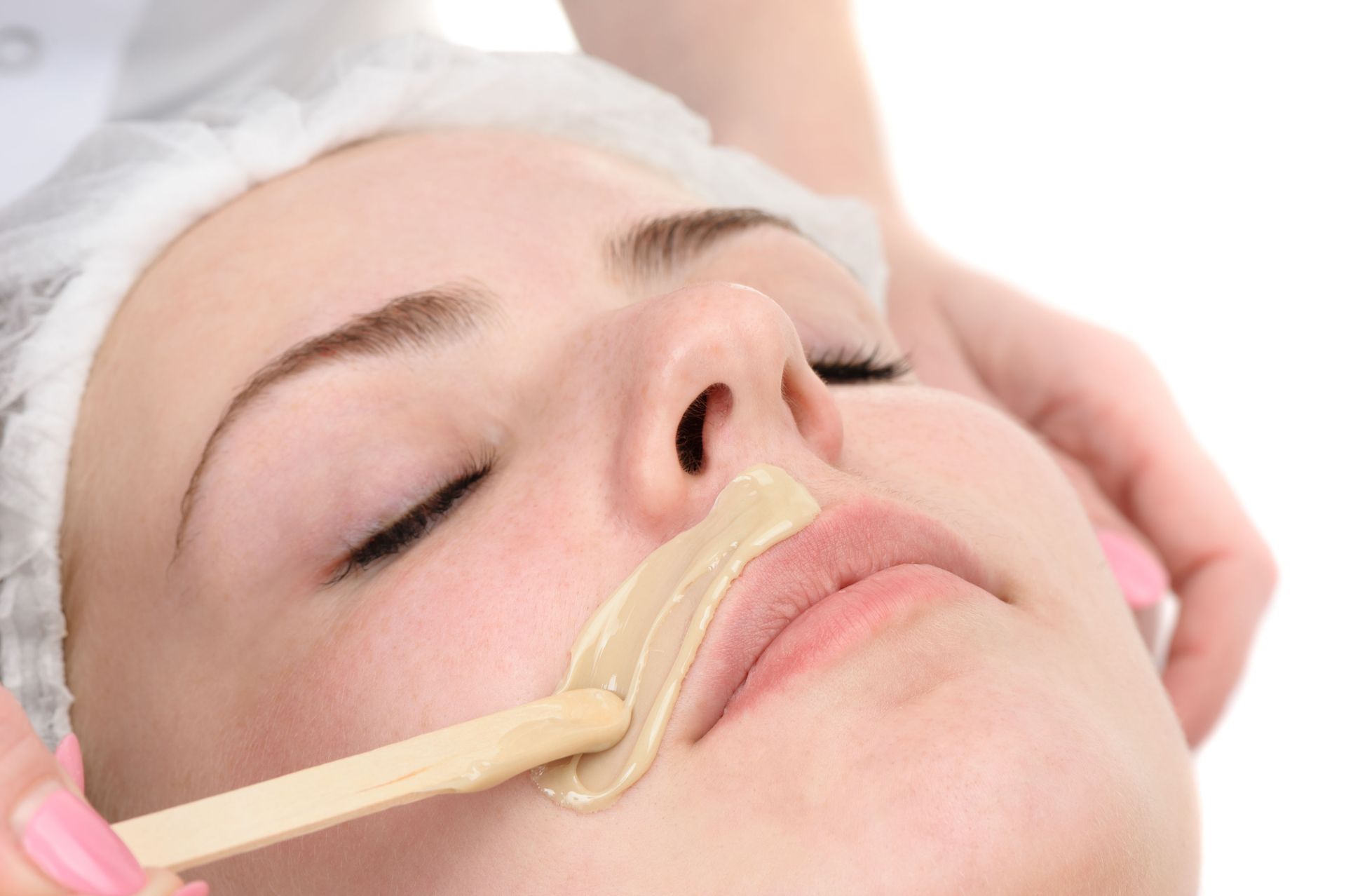
Cosmetology programs teach cleansing, exfoliation, masking, and hydration techniques. Students practice facial massage methods and learn proper sanitation procedures.
Advanced services such as microdermabrasion, chemical peels, and acne treatments may also be introduced, depending on program scope. Instruction focuses on safety, contraindications, and aftercare education.
Students also learn how to create customized skincare routines for clients based on age, skin condition, and goals. This includes building treatment plans and recommending at-home products that complement in-salon services. By understanding both professional procedures and daily maintenance, graduates are prepared to offer complete skincare solutions.
Nail Care and Design
Manicures and Pedicures
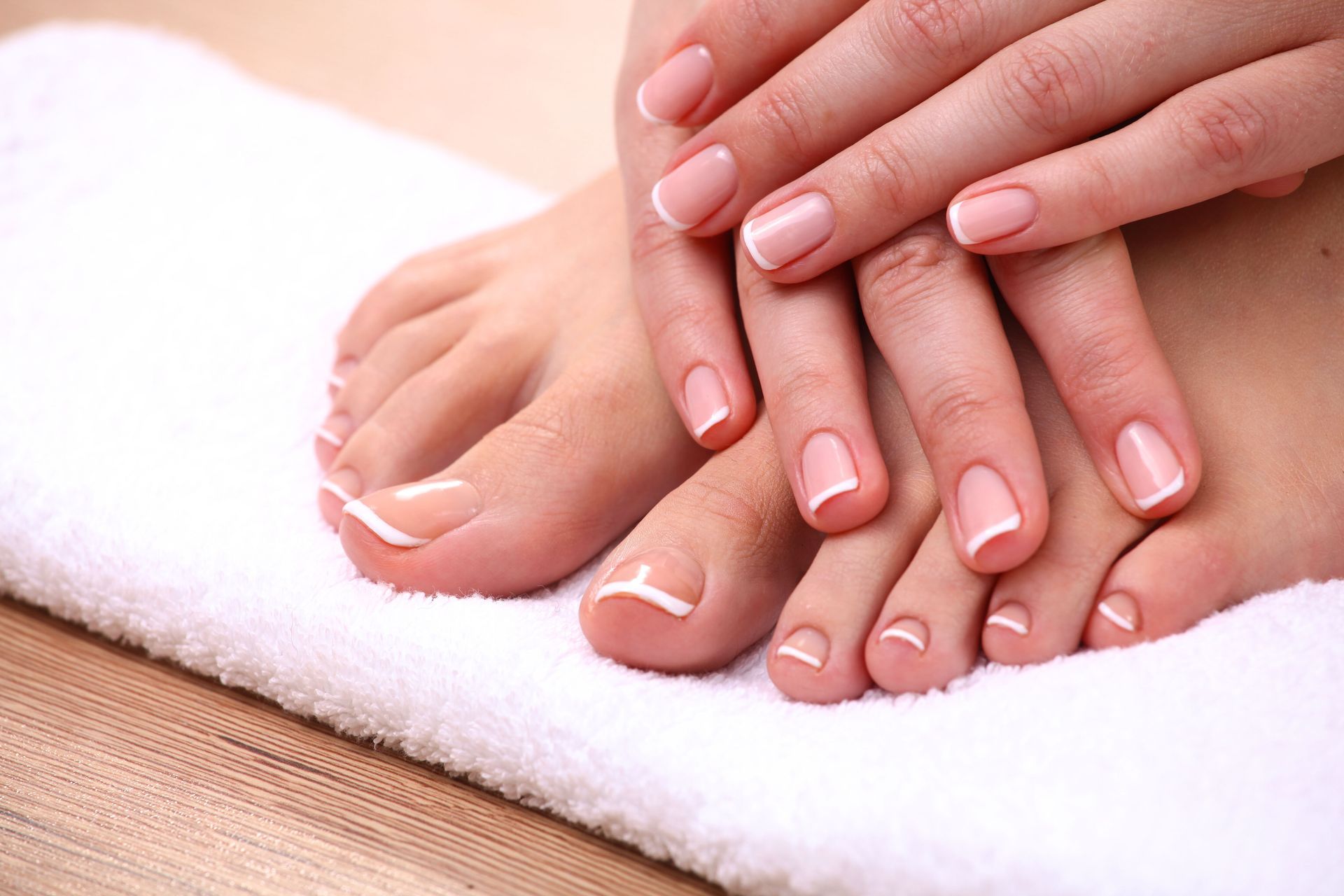
Nail services are another core subject in cosmetology school. Students learn nail anatomy, shaping techniques, cuticle care, and polish application. Proper sanitation and tool disinfection are emphasized throughout training.
Programs also teach how to identify nail conditions that require caution or referral.
During their training, students practice complete manicure and pedicure procedures from start to finish. This includes soaking, exfoliation, massage techniques, and proper trimming methods. They learn how to safely push back cuticles without causing damage and how to shape nails based on client preference and hand structure. Instructors also stress the importance of maintaining a clean workstation and following step-by-step protocols to create a consistent, professional service experience. These details help students build efficiency and confidence while delivering high-quality nail care.
Acrylic, Gel, and Nail Art
Students are introduced to artificial nail systems, including acrylic and gel applications. Training covers preparation, sculpting, filing, and finishing techniques.
Nail art basics, color coordination, and current design trends are also explored, helping students develop creativity alongside technical skill.
In addition, cosmetology school reinforces strict safety and hygiene protocols for nail services. Students practice proper ventilation procedures, safe product storage, and allergy awareness. Understanding these safety measures helps protect both the client and the professional while maintaining compliance with health regulations.
Students also learn proper removal techniques for acrylic and gel systems to prevent nail damage. This includes safe soaking methods, gentle filing practices, and aftercare recommendations to restore nail strength. Product chemistry is introduced so students understand how different formulas bond to the natural nail and how to prevent lifting or breakage. By combining creativity with structural knowledge, cosmetology students graduate prepared to offer both fashionable and structurally sound nail enhancements.
Health, Safety, and Professional Standards
Sanitation and State Board Preparation
Cosmetology school places strong emphasis on sanitation, sterilization, and infection control procedures. Students must understand health regulations and safety standards required for licensure.
Programs also prepare students for state board exams by reviewing theory, practical demonstrations, and compliance protocols.
Client Consultation and Professional Development
Beyond technical skills, students learn consultation techniques, communication skills, and professional conduct. Building client trust, recommending services, and maintaining a professional appearance are all part of the curriculum.
Students are also introduced to basic business concepts such as retail sales, appointment scheduling, and salon operations. Understanding how a salon functions helps graduates transition smoothly into employment or even future business ownership. These professional standards prepare students for long-term success in the beauty industry. If you've been thinking about stepping into the world of cosmetology, visit Entourage Institute of Beauty and Esthetics today and learn more about what we offer. We're here to help you grow your professional career.